Most businesses running Facebook ads to book calls have no idea which ads are actually working.
They track clicks. Landing page views. Maybe a button press. But when someone completes a booking through Calendly, that conversion happens on a third-party page and Facebook never sees it.
So the algorithm keeps optimizing toward whoever clicks your ad. Not whoever books a call. Not whoever becomes a customer. Just clicks.
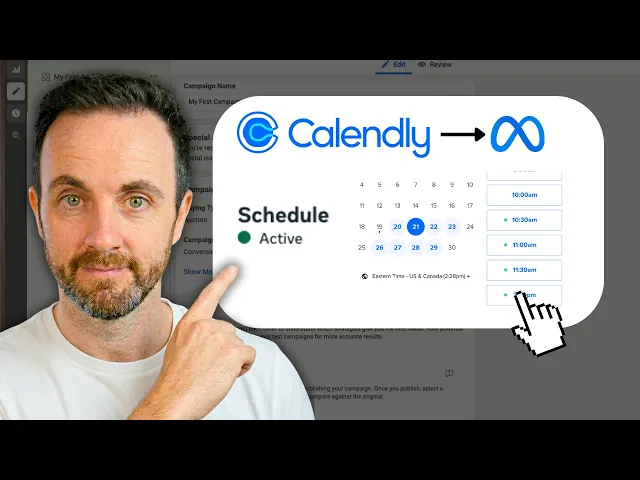
PixelFlow’s Calendly integration closes that gap by helping you automatically trigger events to Meta directly from your Calendly account.
Why Calendly Bookings Don’t Automatically Reach Facebook
When someone clicks your ad and lands on your site, the Meta Pixel fires. But the moment they click your Calendly link, they leave your website and land on a calendly.com page.
The booking completes there. By the time they’ve picked a time slot and entered their details, the browser tracking chain from your site has long since broken. The Pixel never fired a Lead event. Facebook recorded a click, not a conversion.
This creates two problems.
Your attribution is wrong. You can’t see which ads, audiences, or creatives are driving real booked calls. You’re looking at click-through rates and making budget decisions from them.
Facebook’s lead optimization has nothing to optimize toward. Facebook finds more leads by looking at who has already converted for you. No Lead events means no signal, which means worse targeting and higher costs over time.
Server-side tracking fixes this. Instead of relying on a browser script that breaks the moment someone leaves your site, PixelFlow sends the Lead event directly to Facebook’s Conversions API (CAPI) the moment Calendly confirms the booking.
What PixelFlow Tracks from Every Calendly Booking
When a booking is confirmed, PixelFlow automatically captures and sends the following to Facebook CAPI:
Event type (eg. Lead, Schedule) - fired immediately on booking confirmation, not on page load or button click.
Customer email and name - collected from the Calendly booking form, hashed before being sent to Facebook. Facebook uses the hashed values to match the lead back to a Facebook profile, which drives Event Match Quality.
Event timing - sent at the moment of confirmation, not delayed or batched.
Every field is sent automatically. You don’t configure anything beyond the initial connection.
Why Event Match Quality Matters for Lead Campaigns
Event Match Quality (EMQ) is Facebook’s score from 0 to 10 that measures how well it can match your conversions to real user profiles.
A Lead event with no customer data might score a 5/10. Facebook received the event but couldn’t tie it to anyone specific.
A Lead event with a matched email address can score 7, 8, or higher. Facebook knows exactly who booked, which ad they saw, and what audience they belong to.
Higher EMQ means better attribution accuracy, better lookalike audiences built from people who actually booked calls, and better lead campaign performance over time. For businesses running appointment-based sales funnels, this is the difference between Facebook optimizing toward real prospects and optimizing toward anyone who clicks.
PixelFlow’s Calendly integration sends email and name with every Lead event automatically, which is the single biggest driver of EMQ improvement for most lead generation accounts, along with whatever other information was collected in your Calendly booking form like phone number, company, or custom questions, increasing EMQ scores even further.
The Reliability Advantage of Server-Side Booking Tracking
Browser-based Lead tracking has failure modes that quietly reduce your data quality:
Ad blockers - a portion of your visitors run them. Browser events from these users never reach Facebook.
iOS privacy settings - Apple’s tracking restrictions limit cookie-based tracking significantly. Server-side tracking is unaffected.
Tab closures - if a visitor completes a booking and closes the tab before the confirmation page fully loads, the browser event never fires. The Calendly webhook fires regardless.
Cross-domain tracking gaps - because the booking happens on calendly.com rather than your website, the browser has already lost the tracking context before the confirmation page appears. Server-side tracking has no such gap.
The result is a meaningfully higher Lead capture rate, and more importantly, Lead events that include actual customer data rather than anonymous browser signals.
Three Ways to Track Calendly Bookings in PixelFlow (And Why One Wins)
PixelFlow gives you multiple ways to track a booking as a Lead conversion. It’s worth understanding the difference so you can choose the right approach, or understand why the Calendly integration is the default recommendation.
Option 1: Calendly Server-to-Server Integration (Recommended)
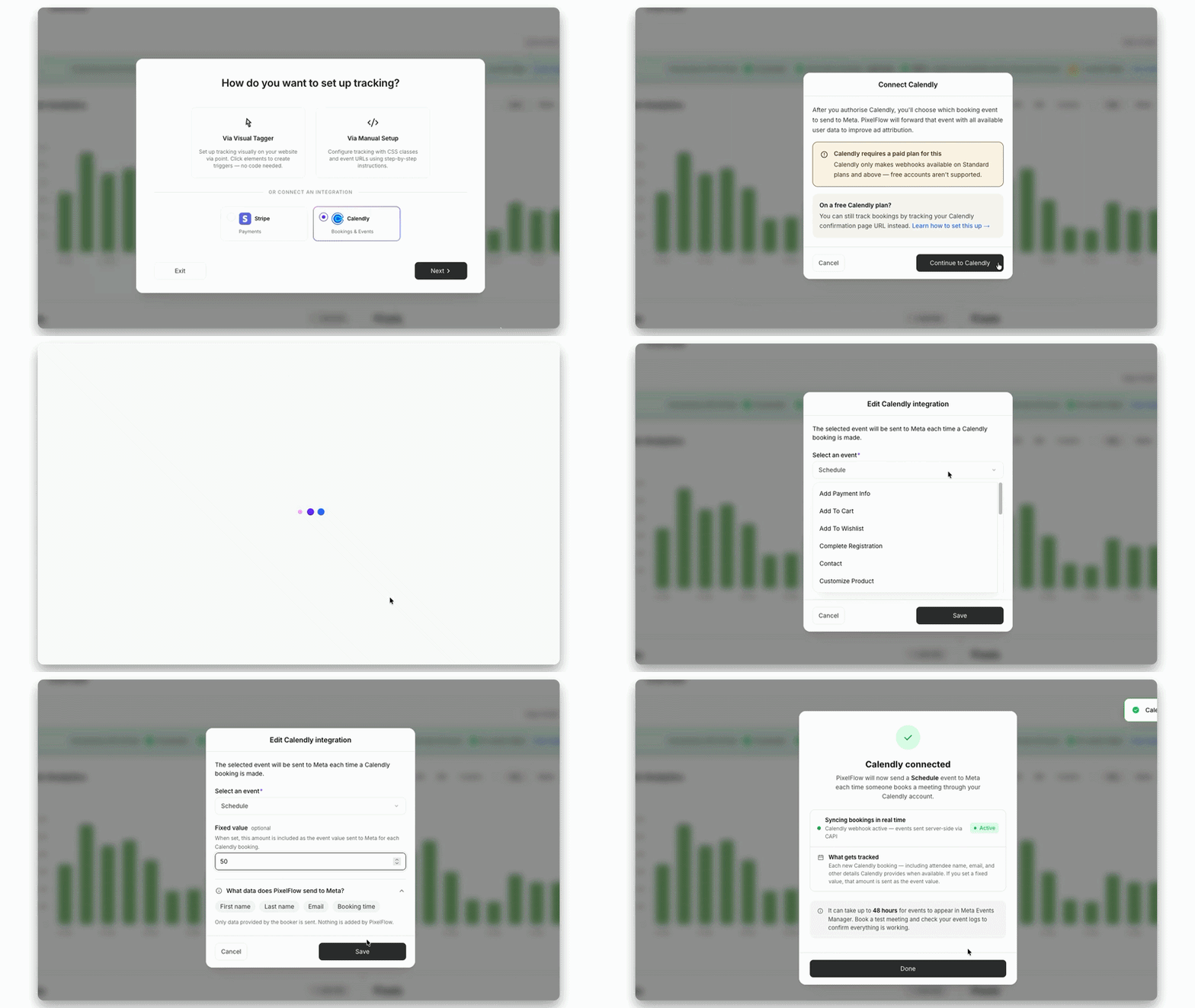
The PixelFlow Calendly to Meta integration bypasses the browser entirely. PixelFlow connects directly to Calendly via webhooks, and when Calendly confirms a booking, it notifies PixelFlow immediately. The Lead event fires regardless of what happens in the customer’s browser.
Calendly collects the booker’s name and email as part of every booking. That data is passed through to Facebook CAPI with the Lead event, improving match quality in a way that button click tracking or URL trigger tracking typically cannot, since those methods depend on data being present on the page at the right moment.
There’s no dependency on page load, no risk from ad blockers or iOS restrictions, and no reliance on URL parameters. It fires on every confirmed booking, every time.
Option 2: Track Button Clicks to Calendly
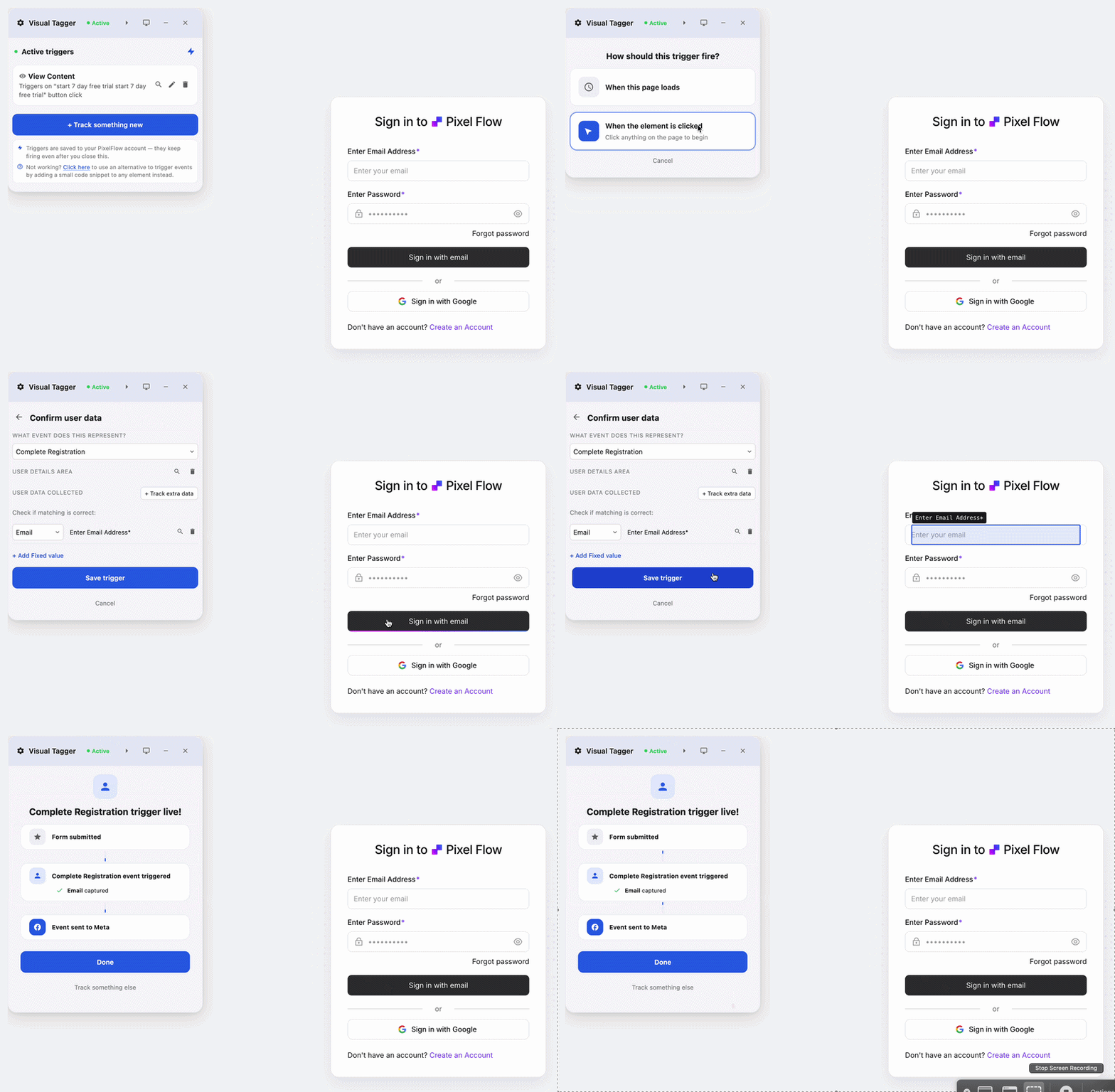
PixelFlow can fire a Lead event the moment a visitor clicks the button that opens your Calendly link (not on an embedded Calendly form as that’s an iFrame). You set up this tracking by adding classes (code snippets) to the button, or by using the PixelFlow Visual Tagger (point and click to set up tracking), and PixelFlow picks it up automatically along with any customer data present on the page at the time of the click.
This is quick to set up, but it fires on intent, not on completion. Someone can click your Calendly button, open the scheduling page, and then close it without booking. Every one of those clicks fires as a Lead event in Facebook.
If your goal is to optimize toward booked calls specifically, optimizing toward people who clicked the scheduling link is a step removed from what you actually want.
Option 3: URL Trigger Tracking on the Confirmation Page
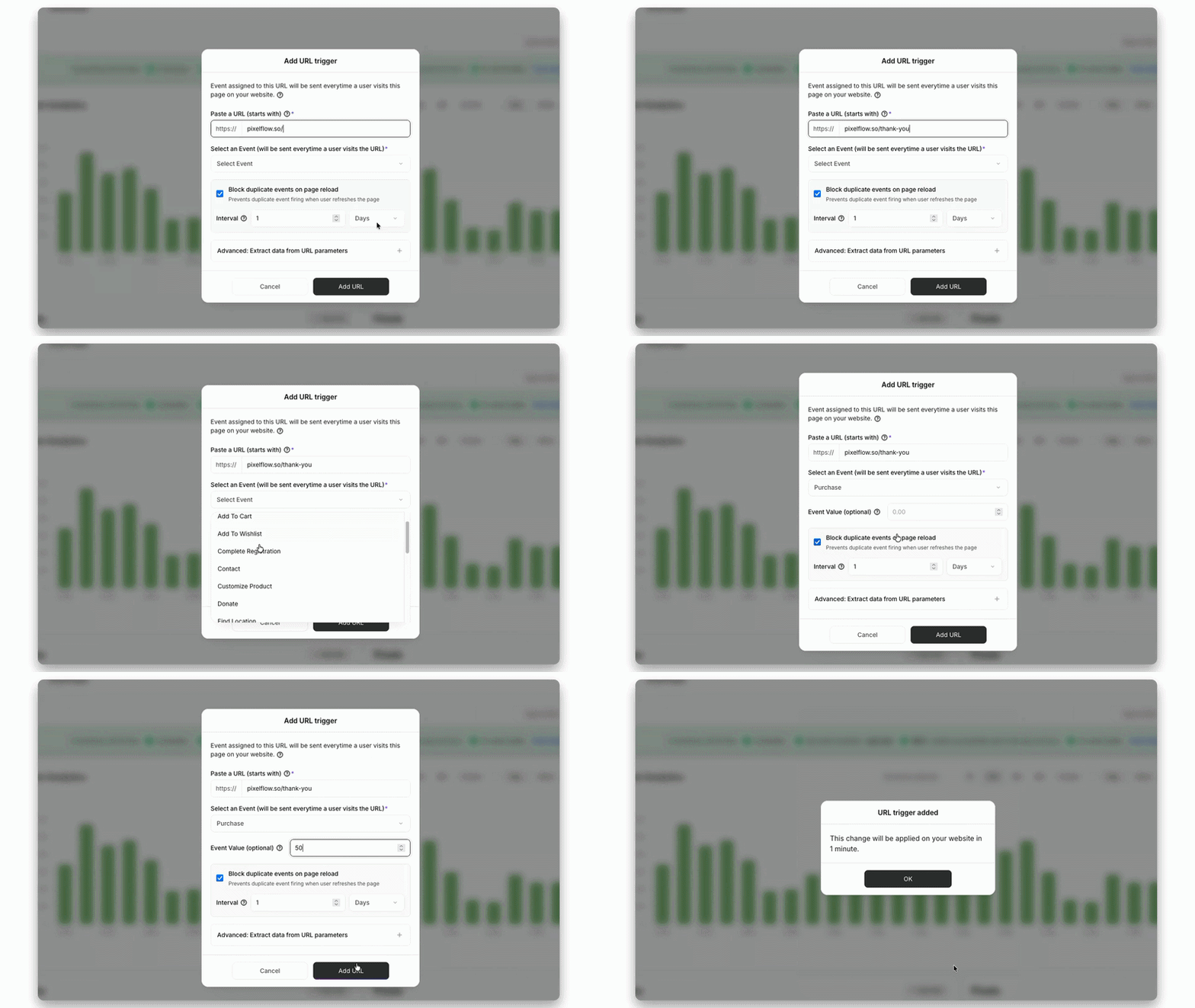
Calendly shows a confirmation page after a booking is completed. PixelFlow’s URL triggers can detect when a visitor lands on that page and fire a Lead event automatically. PixelFlow can also extract data from URL parameters where they’re present and enriches the event with the customer’s location and other available data. Blocking rules prevent the same URL from triggering duplicate events if the page is refreshed.
This is more accurate than button click tracking because the customer has actually completed the booking. The limitation is browser dependency. If the customer closes the tab before the confirmation page loads, or if they’re on iOS with privacy restrictions enabled, the event may not fire.
How to Set Up Calendly to Trigger Meta Events Automatically
It takes less than 2 minutes to automatically trigger events from your Calendly account to Meta using PixelFlow:
In your PixelFlow dashboard click on “Track More Events”
Select “Connect Calendly”
Complete the on-screen steps that take around 60 seconds. The connection uses Calendly’s webhook system, so PixelFlow receives a notification every time a booking is confirmed.
Once connected, every completed Calendly booking is automatically queued and sent to Facebook CAPI. No additional code, no Zapier workflows, no manual event configuration.
Frequently Asked Questions
Do I need a developer to set this up?
No. The connection is made entirely through the PixelFlow dashboard. You authorize the Calendly integration and PixelFlow handles the rest.
Will this create duplicate Lead events?
No, and that’s one of the best parts of this approach. Just ensure you don’t have any other tracking or triggers set up that could fire before or afterwards for the same event, such as triggering a Lead event on button click or on confirmation page load.
Does this work for all Calendly event types?
Yes. The integration fires on any confirmed booking across all your Calendly event types, whether that’s a discovery call, demo, consultation, or any other appointment type.
Is customer data sent securely?
Yes. Email and name are hashed using SHA-256 before being sent to Facebook. Raw personally identifiable information never leaves your server unencrypted. This is consistent with Meta’s data handling requirements and the same approach used across all server-side tracking tools.
What plan do I need?
The Calendly integration is available on all paid PixelFlow plans. You can connect it from the integrations page in your dashboard.
Get Started
If you’re using Calendly to book sales calls and running Facebook ads to drive them, every untracked booking is a data point Facebook never got to learn from.
PixelFlow takes about two minutes to connect to Calendly and starts sending Lead events immediately.